
Folding Table Weight Capacity: How 150 kg Gets Tested
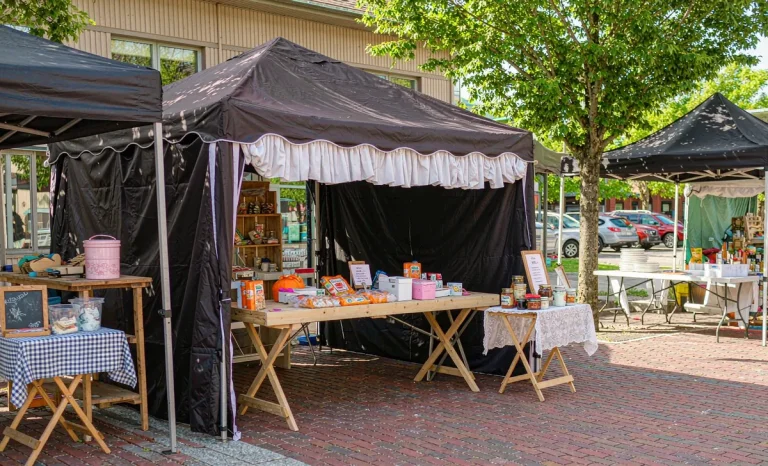
Foldable furniture is one of the least glamorous and most dependable categories in international trade. Buyers who understand how it is built, packed and shipped consistently outperform those who shop on unit price alone.
The Core Issue
Long-term quality in the furniture export business is an operational discipline, not a marketing claim. This article explains how Musan approaches the topic and what buyers should verify with any supplier.
How Musan Approaches It
Compared with plywood cores and PVC edges, an all-HDPE top survives outdoor storage, chlorinated cleaning agents and the rough handling that banquet crews and logistics staff inflict on stacked furniture. The material costs a little more per kilogram and returns much more per year of service.
Our six production lines in Linyi, Shandong ship more than 200 containers per year, and the QC team tests every batch for lock integrity, load deflection and UV formulation before release.
Practical Points That Move the Needle
- Tops are molded from 100% virgin HDPE with UV stabilizer, typically 45–50 mm thick, with a textured surface that hides scuffs and provides slip resistance when wet.
- Frames use powder-coated steel tubing with folded steel legs and cross braces; the leg-lock mechanism is the part that actually decides whether a table feels safe at full load.
- Static load ratings in our catalogue range from 150 kg on the 6 ft table to 250 kg on the 8 ft commercial model, each verified with a 24-hour loaded-deflection test rather than a momentary push.
- Packing is engineered around the container: stacked nesting, protective corner boards and kraft interleaving squeeze maximum sets into a 40HQ while keeping scratch damage near zero.
Bottom Line for Buyers
For wholesale pricing, OEM branding or a factory audit visit, reach the Musan export desk anytime — we reply to B2B inquiries within one working day with full technical sheets.